

4mm low iron glass
Understanding Snap-on Gauges Precision Measurement in Engineering In the world of engineering and manufacturing, precision is not just preferable; it is essential. The smallest discrepancy in measurement can result in significant variances during production, affecting the quality and performance of the final product. This is where snap-on gauges come into play. Renowned for their reliability and accuracy, snap-on gauges are an integral part of the quality control process across various industries. What are Snap-on Gauges? A snap-on gauge, often referred to as a snap gauge, is a type of measuring device used to determine whether a particular object meets certain dimensional specifications. These gauges are designed to 'snap' onto the workpiece, providing a rapid and straightforward way to measure external dimensions. Unlike calipers or micrometers that require manual reading, snap-on gauges allow for quicker, often one-handed measurements, thus streamlining the inspection process. Types of Snap-on Gauges There are generally two types of snap-on gauges fixed and adjustable. Fixed snap gauges are typically set at a specific dimension, making them ideal for production lines where parts are manufactured to standard specifications. On the other hand, adjustable snap gauges allow engineers to modify the gauge to measure different dimensions, providing flexibility for various applications. Construction and Material Snap-on gauges are usually made from high-quality steel, which ensures durability and resistance to wear and tear. The precision cutting and finishing processes involved in their production help maintain their accuracy over time. Many modern snap-on gauges also feature coatings, such as chrome plating, to reduce friction and enhance lifespan. Applications of Snap-on Gauges snap on gauge Snap-on gauges have a variety of applications across multiple industries. In automotive manufacturing, they are used to check the dimensions of engine parts, chassis components, and other critical elements. In aerospace, snap gauges ensure that parts meet strict regulations regarding tolerance and dimensions, thus promoting safety and reliability. Moreover, snap-on gauges are also commonly used in the production of electronics, machinery, and medical devices. Any field that demands high precision can benefit from the use of these gauges. Their ability to provide a quick yes/no answer on whether a part meets specifications makes them particularly valuable in high-volume production settings. Benefits of Snap-on Gauges The primary benefit of using snap-on gauges is the significant reduction in time spent on inspection processes. They allow for quick verification of parts, which is especially important in environments where time is money. Additionally, snap gauges help in minimizing human error, as they provide a clear indication of whether a part fits the required dimensions. Another advantage is that snap-on gauges are easy to use, requiring minimal training for operators. This accessibility ensures that manufacturers can maintain high standards of quality control without necessitating extensive technical knowledge. Maintenance and Calibration To ensure continued accuracy, snap-on gauges require regular maintenance and calibration. Operators should routinely check for any wear or damage, as well as perform calibration against certified standards. Proper care will not only extend the life of the gauge but also maintain measurement accuracy, which is critical for product quality. Conclusion In summary, snap-on gauges are invaluable tools in engineering and manufacturing fields that prioritize precision and efficiency. Their ease of use, rapid measurement capabilities, and versatility make them essential for quality control processes in a wide range of applications. By investing in high-quality snap-on gauges and adhering to maintenance and calibration standards, manufacturers can uphold the integrity of their production processes, ultimately leading to higher quality products and customer satisfaction. As technology continues to evolve, snap-on gauges will remain a staple in the quest for accuracy in measurement, paving the way for advancements in engineering and manufacturing standards.
about
4mm low iron glass
Using a Thread Gauge An Essential Tool for Precision Measurement In various fields of engineering, manufacturing, and construction, precise measurements are paramount. One of the indispensable tools to achieve this accuracy is the thread gauge. This instrument is essential for anyone who works with threaded components, as it aids in verifying the size and pitch of threads. In this article, we will explore what a thread gauge is, the types available, and how to effectively use it. Understanding Thread Gauges A thread gauge, also known as a thread pitch gauge, is a tool designed to measure the pitch and diameter of screw threads. It consists of a series of metal plates or blades, each featuring different thread profiles. These profiles correspond to various standard thread patterns, allowing users to identify the thread type and size quickly. There are two primary types of thread gauges the pitch gauge and the screw gauge. The pitch gauge typically features blades with cutouts that represent different pitches (the distance between the threads), while a screw gauge comes with a set of fixed sizes that can be matched against the thread to identify its dimensions. The Importance of Using a Thread Gauge Using a thread gauge is crucial for multiple reasons. Firstly, it ensures compatibility between threaded components. When assembling machinery or structures, components must fit together perfectly to avoid malfunctions. An incorrect thread size can lead to issues such as stripped threads, misalignment, or even catastrophic failure under load. Secondly, a thread gauge helps maintain quality control in manufacturing. By regularly checking the dimensions of threaded components, manufacturers can ensure that they consistently produce parts that meet industry standards and specifications. This attention to detail not only boosts product reliability but also enhances safety for end-users. How to Use a Thread Gauge using a thread gauge Using a thread gauge is a straightforward process, but precision is key. Here are the steps to effectively use a thread gauge 1. Clean the Thread Before measuring, ensure that the threaded surface is clean and free of debris. Dirt or corrosion can affect the accuracy of your measurements. 2. Select the Appropriate Blade Take the thread gauge and select a blade that you believe matches the thread pitch of the component you are measuring. If unsure, it’s advisable to try several blades until you find one that fits snugly. 3. Fit the Gauge Gently insert the selected blade into the threads of the component. It should slide in easily but fit tightly without any gaps. If it fits perfectly, you have identified the correct pitch. 4. Read the Measurement Once you have determined the right blade, read the measurement marked on it. This will indicate the thread pitch (e.g., 1.0 mm, 1.5 mm) and can also assist in identifying the thread type (e.g., metric, UNC, UNF). 5. Check for Diameter If necessary, use a screw gauge to measure the diameter of the thread for a complete assessment. Matching both pitch and diameter ensures accurate identification of the thread specification. Conclusion In conclusion, a thread gauge is a vital tool for anyone involved in works that require threaded components. Its ability to quickly and accurately measure thread pitch and diameter plays a critical role in ensuring compatibility and maintaining quality standards. By following the correct procedures for using a thread gauge, users can enhance their workmanship and contribute to the overall efficacy of their projects. Whether you are a seasoned professional or a hobbyist, incorporating a thread gauge into your toolkit can make a significant difference in the precision of your work.
-

High quality industrial productsagement

High quality industrial products
View Details -

Meet the diverse needs of customers

Meet the diverse needs of customers
View Details -

Strict quality control

Strict quality control
View Details -

Top raw materials

Top raw materials
View Details -

Trusted supplier

Trusted supplier
View Details
Our application


news and information
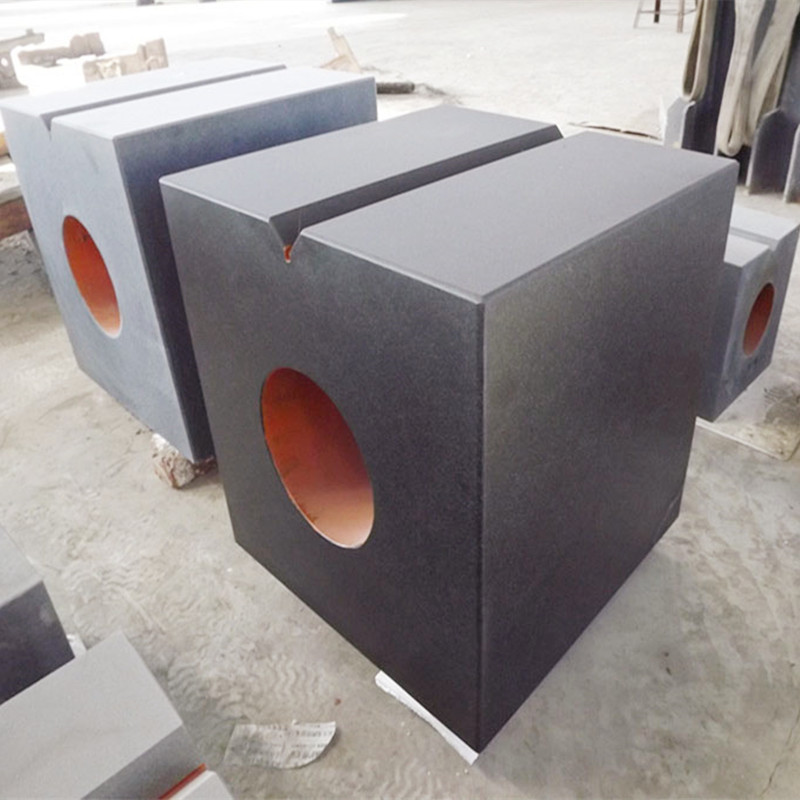
Using Taper Plug Gauge for Precision Inspection and Measurement in Manufacturing Processes
Understanding Taper Plug Gauges Their Purpose and Application in Quality Control Taper plug gauges a
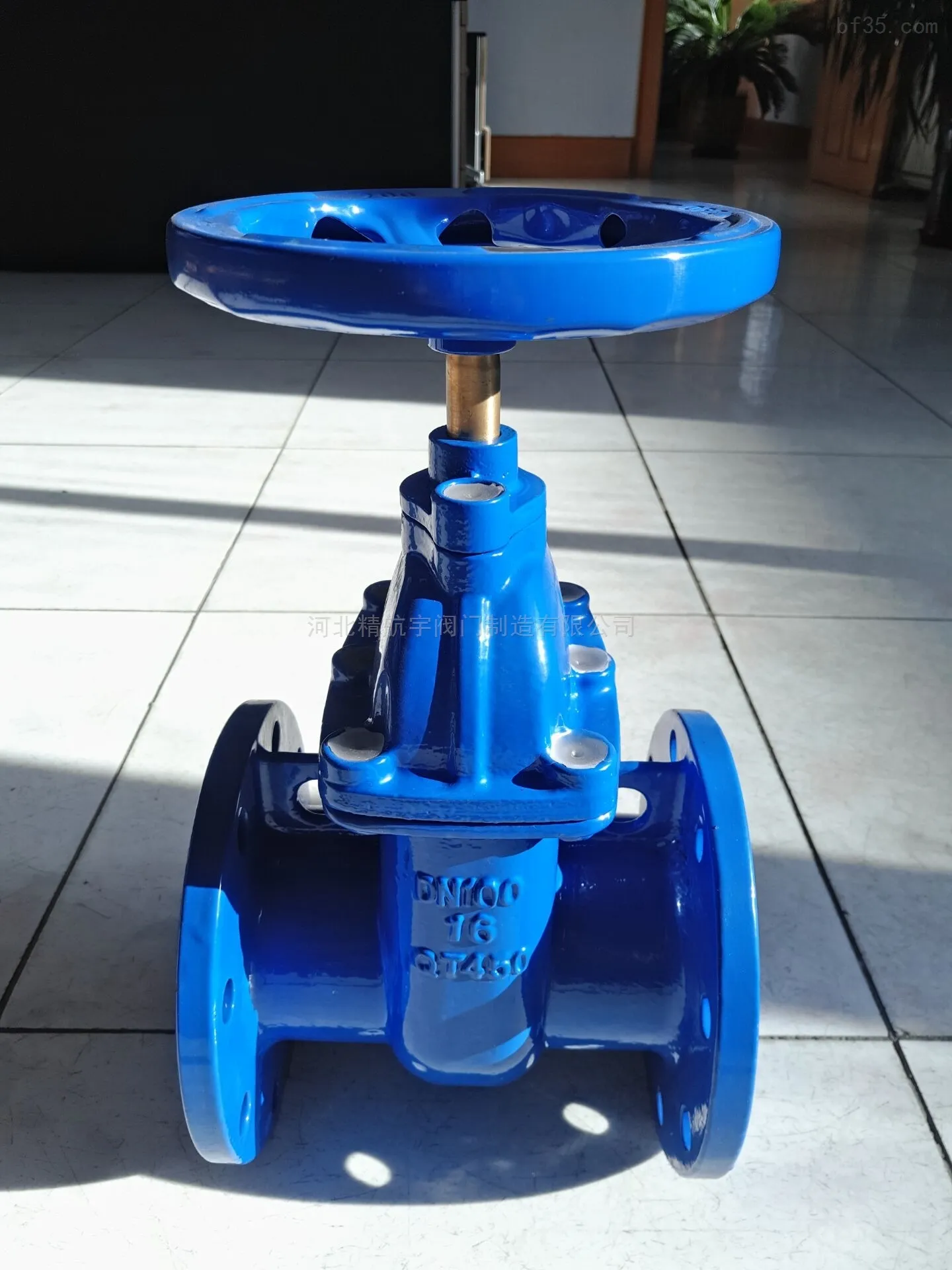
water valve types
Understanding Water Valve Types A Comprehensive Guide Water valves are critical components in plumbi

Versatile Granite Square Ruler for Precision Measuring and Construction Tasks
The granite square ruler, often celebrated as a pivotal tool in precision measurement and classical
 English